Tadalafil Heart Safety: What Heart Patients Should Know About Tadalafil 60 mg
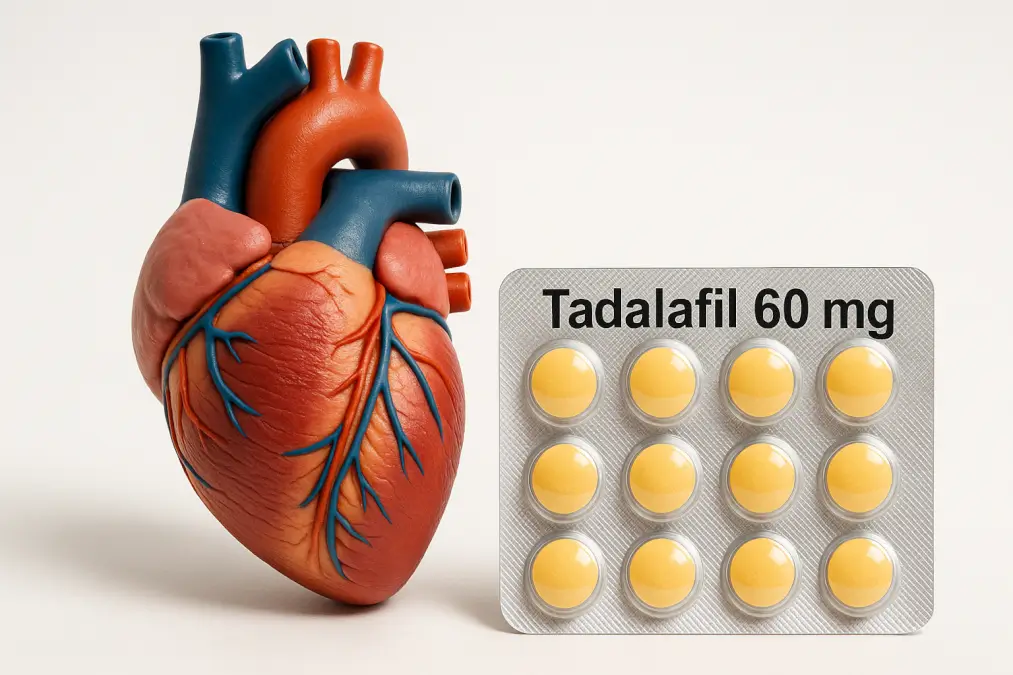
Understanding Tadalafil 60 mg and Heart Health
Tadalafil is a popular medication widely prescribed for erectile dysfunction and other medical conditions like pulmonary arterial hypertension. But for heart patients, safety is a paramount concern, especially with a high dose such as 60 mg. In this article, we will explore tadalafil heart safety, how this medication interacts with cardiovascular health, and what precautions heart patients need to take before considering tadalafil 60 mg.
What Is Tadalafil?
Tadalafil belongs to a class of drugs called phosphodiesterase type 5 (PDE5) inhibitors. It works by relaxing muscles in the blood vessels, which increases blood flow to certain areas of the body. This effect makes it effective for treating erectile dysfunction and symptoms of benign prostatic hyperplasia (BPH). The drug is available in various doses, including 2.5 mg, 5 mg, 10 mg, 20 mg, and in some cases, 60 mg, which is considered a higher dosage as discussed in our guide on whether tadalafil 60 mg is too strong.
Why the Concern About Tadalafil Heart Safety?
The cardiovascular system and erectile function are closely linked via blood flow and vascular health. Since tadalafil influences blood vessels, the question arises about its effects on the heart, especially in patients with pre-existing heart conditions. The primary safety concerns include:
- Potential blood pressure changes, covered further in our tadalafil blood pressure guide
- Risk of heart attack or stroke
- Interactions with other heart medications
- Potential for serious side effects in vulnerable patients
Is Tadalafil 60 mg Safe for Heart Patients?
Currently, the standard prescribed dosages for tadalafil tend to be lower than 60 mg, with 10 mg to 20 mg being more common for erectile dysfunction. Higher doses, like 60 mg, are less commonly prescribed and usually under strict medical supervision. The safety profile at 60 mg isn’t as extensively studied as lower doses, and this is especially important for those with heart problems. Research from the cardiovascular research on this connection highlights how closely ED and heart disease risk are linked.
Heart patients must consult their healthcare provider before using tadalafil 60 mg. Factors that influence safety include:
- Type of heart disease: Conditions like unstable angina, severe heart failure, recent heart attack, or uncontrolled hypertension may contraindicate tadalafil.
- Concomitant medication: Particularly nitrates (used for chest pain) or alpha-blockers, which, when combined with tadalafil, can dangerously lower blood pressure. Alcohol carries similar risks, as we explain in our guide to tadalafil 60 mg and alcohol interactions.
- Overall cardiovascular health: Patients with well-managed heart conditions may tolerate tadalafil better than those with unstable disease.
Clinical Studies on Tadalafil Heart Safety
Research indicates that tadalafil does not significantly increase the risk of cardiovascular events in patients with stable heart disease when used at recommended doses. However, data about 60 mg dosages mixed with heart disease is limited. Most clinical trials focus on 10 mg or 20 mg doses.
One study found that PDE5 inhibitors might even have some cardioprotective effects by improving endothelial function and reducing pulmonary hypertension. Nonetheless, these benefits are not a license for self-administration, especially at high doses. Diabetic patients face overlapping cardiovascular risks, which we cover in tadalafil 60 mg for diabetes patients.
What Are the Precautions for Heart Patients?
- Consult Your Doctor: Never start or change tadalafil dosage without doctor approval.
- Avoid Nitrates: Taking nitrates with tadalafil can cause life-threatening hypotension.
- Monitor Blood Pressure: Regularly check blood pressure, especially when beginning treatment.
- Start Low, Go Slow: Doctors often recommend starting with the lowest dose to assess tolerance, following our guide on how to take tadalafil 60 mg correctly.
- Report Side Effects: Heart palpitations, chest pain, dizziness, or severe headache require immediate medical attention, all listed in our tadalafil 60 mg side effects guide.
Alternatives and Complementary Approaches
For heart patients concerned about tadalafil, doctors might consider alternative treatments for erectile dysfunction, including:
- Lower-dose PDE5 inhibitors
- Lifestyle modifications such as exercise, diet, and stress reduction
- Vacuum erection devices or penile injections
Additionally, managing cardiovascular health through medication adherence, regular check-ups, and healthy habits is essential for the safe use of any erectile dysfunction medication.
Conclusion
Tadalafil heart safety is a critical concern, especially when considering higher doses like 60 mg. While tadalafil has a generally safe profile for many patients, those with heart conditions must exercise caution and consult healthcare professionals before use. The current evidence suggests that while tadalafil may be safe for some stable heart patients, the high dose of 60 mg requires careful medical supervision.
Ultimately, heart patients should never self-medicate with tadalafil and must seek expert advice to balance sexual health with cardiovascular safety, reviewing the Tadalafil 60 mg Tablet prescribing information together with their doctor.