
Understanding the Tadalafil BP Effect: How Tadalafil 60 mg Influences Blood Pressure
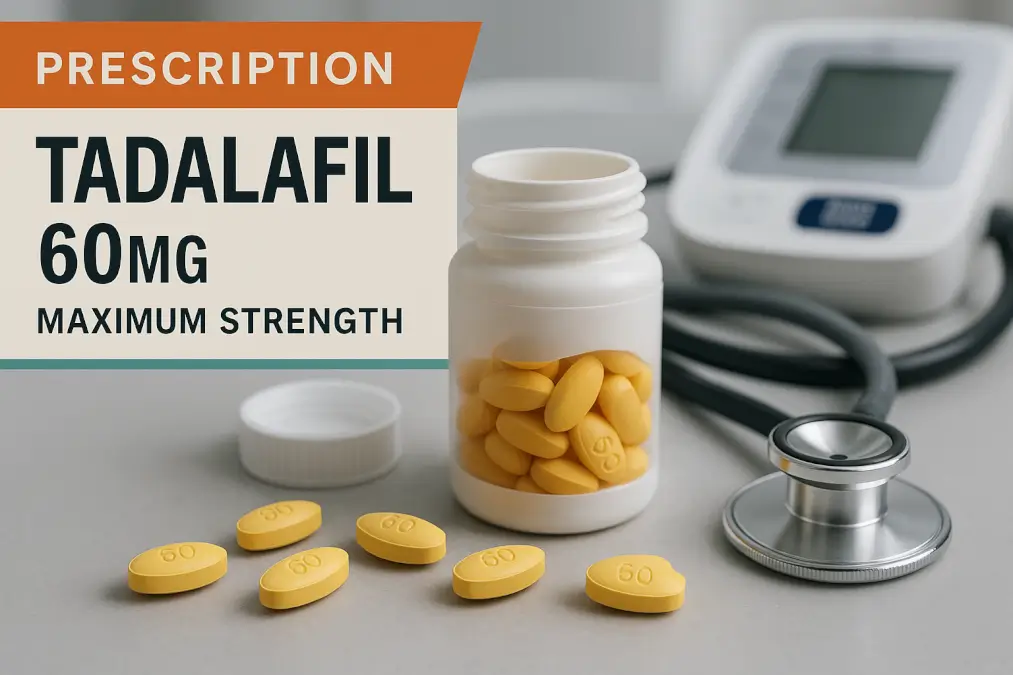
Introduction to Tadalafil and Blood Pressure
Tadalafil is a widely prescribed medication primarily used to treat erectile dysfunction and benign prostatic hyperplasia. One important aspect often discussed by patients and healthcare providers is the tadalafil bp effect, or how tadalafil 60 mg influences blood pressure. Understanding this connection is crucial for safe and effective use of the medication, especially among people with cardiovascular concerns.
What Is Tadalafil?
Tadalafil belongs to a class of drugs called phosphodiesterase type 5 (PDE5) inhibitors. It works by relaxing muscles and increasing blood flow to particular areas of the body, most notably the penis. The commonly prescribed dosage for erectile dysfunction ranges from 10 mg to 20 mg, but some patients may be prescribed higher doses such as 60 mg under strict medical supervision, a topic covered in our guide on whether tadalafil 60 mg is too strong.
How Does Tadalafil Affect Blood Pressure?
The tadalafil bp effect is primarily due to its mechanism that causes vasodilation—widening of blood vessels. This leads to a decrease in resistance to blood flow and can result in a mild drop in blood pressure. The effect is usually temporary and moderate in healthy individuals. General public health guidance on blood pressure can help patients understand their baseline risk before starting treatment.
Mechanism of Blood Pressure Reduction
- Tadalafil inhibits PDE5 enzymes, which increase cyclic guanosine monophosphate (cGMP) levels.
- Increased cGMP relaxes smooth muscle cells in blood vessels.
- The relaxation leads to vasodilation and lowered vascular resistance.
- This reduction causes a temporary decrease in systemic blood pressure.
Is the Blood Pressure Effect of Tadalafil 60 mg Significant?
The 60 mg dose of tadalafil is considerably higher than typical doses used for erectile dysfunction, and thus, the tadalafil bp effect may be more pronounced. However, even at this dose, the blood pressure-lowering effect is generally mild in people without preexisting cardiovascular conditions. Patients managing heart conditions should also review our tadalafil heart safety guide.
It’s essential to note that tadalafil can have more significant effects on blood pressure when combined with other medications, particularly nitrates, which can cause dangerous hypotension. Alcohol has a similar amplifying effect, which we discuss in our article on tadalafil 60 mg and alcohol interactions. Therefore, high-dose tadalafil should be taken only under medical supervision.
Clinical Studies and Safety Data
Clinical trials indicate that tadalafil can cause a mean reduction in systolic blood pressure by 6-10 mm Hg and diastolic pressure by 4-6 mm Hg in some patients. The effects usually peak within 2-4 hours after ingestion and diminish thereafter.
Patients with controlled hypertension tolerated tadalafil well, but those with unstable hypertension or those taking nitrates should avoid tadalafil 60 mg due to the risk of severe blood pressure drops. Our tadalafil 60 mg side effects guide lists the full range of possible reactions.
Precautions and Recommendations
- Consultation: Always consult a healthcare provider before starting tadalafil 60 mg, especially if you have high or low blood pressure.
- Medication Interactions: Avoid using tadalafil with nitrates or alpha-blockers without medical advice.
- Monitoring: Regular blood pressure monitoring is recommended when using tadalafil at higher doses.
- Hydration: Maintain adequate hydration, as dehydration can amplify blood pressure fluctuations.
Managing Blood Pressure While Using Tadalafil
To minimize risks associated with the tadalafil bp effect, patients should follow several guidelines:
- Inform your doctor about all existing medications and health conditions.
- Report any symptoms of low blood pressure, such as dizziness, fainting, or palpitations.
- Adopt lifestyle measures that support healthy blood pressure levels—regular exercise, balanced diet, limiting salt intake, and avoiding excess alcohol.
- Review our guide on how to take tadalafil 60 mg correctly to reduce the chance of complications.
Conclusion
Tadalafil 60 mg has a measurable effect on blood pressure due to its vasodilatory properties. While generally safe in healthy individuals, the tadalafil bp effect warrants caution in patients with cardiovascular disease or those using medications that lower blood pressure. Close medical supervision and adherence to prescribed guidelines help ensure that users benefit from tadalafil’s therapeutic effects without compromising cardiovascular safety.
If you are considering tadalafil 60 mg or have concerns about your blood pressure, speak with your healthcare provider to evaluate the best and safest treatment options for you, including reviewing the Tadalafil 60 mg Tablet prescribing details together.